

WHAT IS A LED SCREEN?
What is an LED and how does it work?
LEDs, which we frequently encounter in today’s technology, are actually the abbreviation of “Light-Emitting Diode”. So, how do LEDs work and how do they differ from other lighting technologies? In this article, we will examine many important details from the working principles of LEDs to the functioning of LED displays.
LED Technology and Features
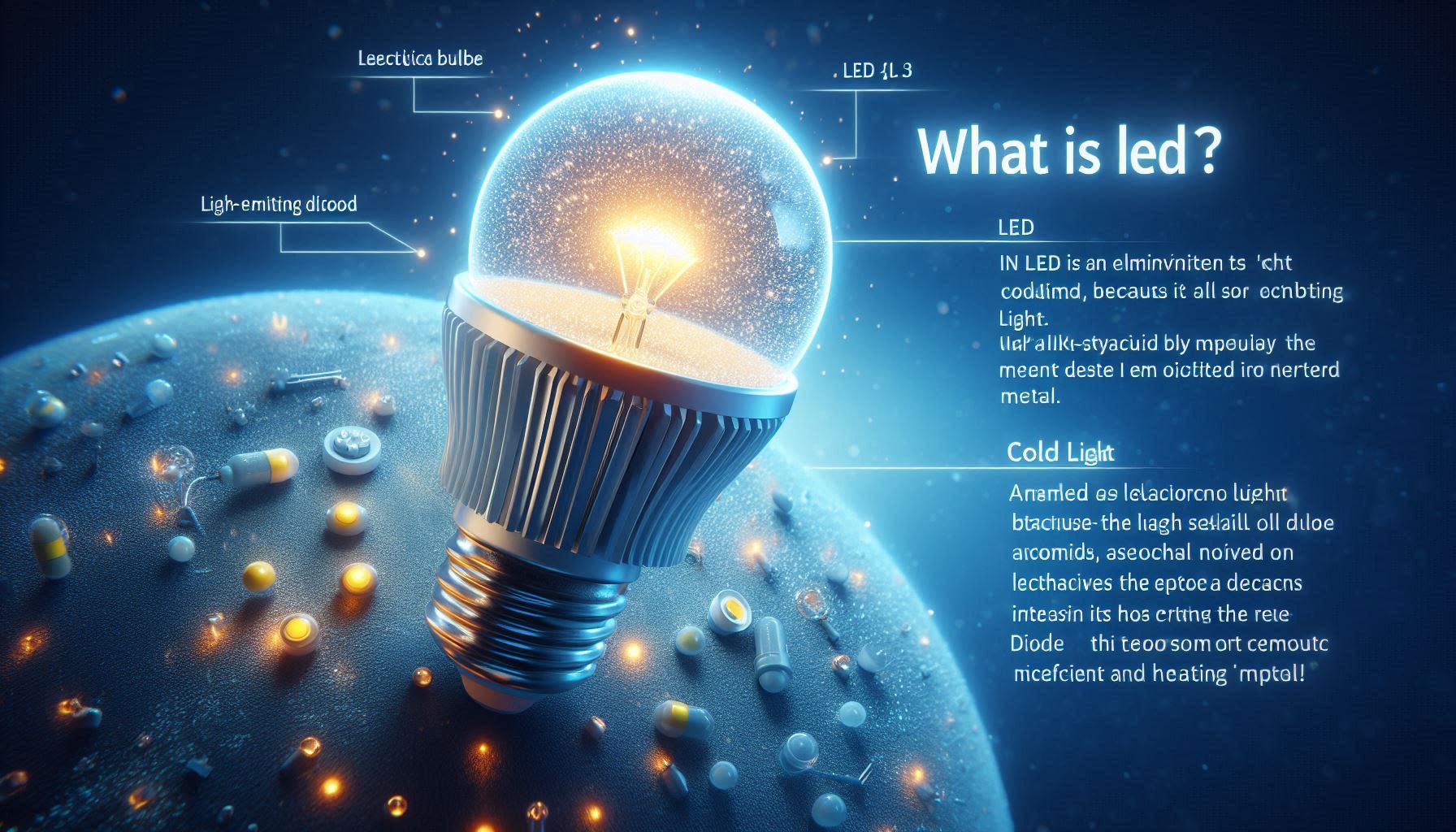
LEDs are diodes that work by emitting light as electric current passes through them. Unlike conventional light bulbs, in LED technology, light is not produced by heating the metal, but by an electrical process. LEDs are therefore referred to as “cold light”. LEDs emit light as it passes through specially manufactured silicon. This method provides both more efficient and more economical lighting.
The LEDs are made of solid materials and have a transparent plastic coating, minimizing heating and ensuring high durability. These features make LEDs ideal for both indoor and outdoor use.
How LED Panel and LED Display Work?
LED displays are made up of LED panels of a certain size put together. An LED panel consists of many LEDs close to each other and their brightness varies according to the data coming from the control card. Thus, the diodes together form an image on the screen. LED panels usually consist of red, green and blue LEDs. These three colors are arranged to form a pixel. Different colors are obtained by color mixing to create vivid and bright images.
RGB and SMD Technologies
RGB stands for red, green and blue, and all the colors that appear in LED displays are obtained by mixing these three basic colors. SMD (Surface-Mount Device) technology refers to electronic components that are mounted directly on the printed circuit board, rather than soldering metal leads to the circuit board. Thanks to SMD technology, LEDs are placed more compactly and there is less space between pixels, making it possible to produce high-resolution displays.
Power Consumption of LED Displays
LED displays are a highly energy efficient technology. Power consumption varies depending on the size, brightness and usage of the display. Indoor LED displays generally have lower power consumption than outdoor LED displays operating in direct sunlight. Brightness and color selection are other factors that affect power consumption.
Lifespan of LED Displays
The lifespan of LED displays varies depending on the conditions of use and maintenance. An LED display that is manufactured with the right quality and regularly maintained can typically have a lifespan of more than ten years. However, factors such as high brightness operation, daily use, maintenance and environmental influences can affect the lifespan. In addition, humidity and salt can also shorten the lifespan of LED displays.
LED Display Pixel Pitch and Resolution
The resolution of an LED display depends on the distance between the diodes. Each group of diodes reflecting red, green and blue colors forms a pixel. Pixel pitch is measured by the distance between the LEDs, expressed in millimeters. For example, an LED display with a pixel pitch of 10 mm is referred to as a P10 LED display. Pixel pitch determines the resolution and quality of the display. Outdoor LED displays usually have wider pixel pitches than indoor displays because outdoor displays are usually viewed from further away.
Which Resolution Should I Choose?
When choosing LED display resolution, the viewing distance at closest is an important factor. While low resolution displays appear clear from a distance, up close details may be obscured. While low resolution is preferred for outdoor LED displays installed on the sides of main roads or on the facades of large buildings, higher resolutions should be preferred indoors. Since the distance between diodes is small in high resolution displays, pixel density is high, resulting in clearer and sharper images.
LED display prices vary depending on factors such as resolution. High-resolution displays are generally more expensive because they contain more pixels.